




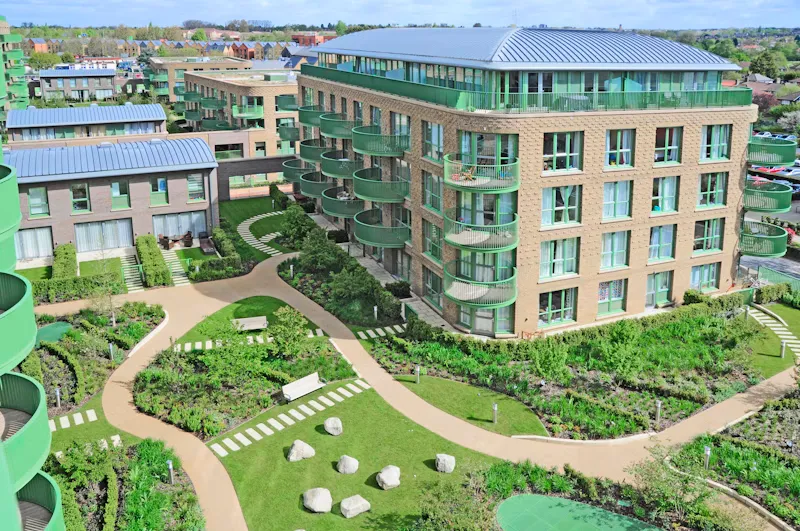
Decking for balconies and roof terraces has become very popular. On older buildings, decking can transform neglected or unsightly areas into oases of calm and beauty, while on new construction it can create a flow between natural and built environments.
The important fact to remember is that while there are many decking products available on the market, not all are suitable for commercial or public buildings and will not meet the fire-rating standards required by the UK’s Building (Amendment) Regulations 2018.
These regulations, introduced in the wake of the 2017 Grenfell Tower fire, govern the types of materials used on the outside of high-rise residential buildings that are 18 metres or higher. Predominantly focused on external cladding – which was a major factor in how quickly the fire spread, claiming 72 lives – the regulations also cover materials used on balconies and roof spaces.
To comply with the regulations, materials must comply with Euroclass Class A fire rating standards.
What is a Class A material?
For a material to be Class A fire rated, when exposed to high temperatures and naked flame it must be non-combustible, not emit fumes or smoke and not contribute to the spread of fire. For this reason, natural timber or composite decking are not suitable for high-rise buildings, although there are currently no regulations barring them from being used on the balconies and roof terraces of low-rise buildings (five storeys or less), or at ground level.
Some natural materials such as stone and concrete, porcelain, steel and aluminium comply with Class A, and these are widely used for decking and terrace systems. Care needs to be taken with coated metals, however. Paints containing volatile organic compounds (VOCs) are unlikely to meet Class A standards. Powder coating contains no VOCs and such products will still achieve Class A2 rating.
What is a Class A decking subframe?
Balcony or roof terrace decking often requires a subframe to create a level platform for the deck, raise it above the base surface to allow for drainage, or span protrusions such as drains and vents.
To comply with regulations, this subframe must also be manufactured entirely from Class A fire-rated materials. This extends even to any packing material used between the subframe pedestals and the roof to level and stabilise the frame.
All components of our Raaft Terrace System modular terrace subframe system are Class A rated. Raaft extruded aluminium joists are supported by height-adjustable pedestals that eliminate the need for additional shims and packers.
What are the Class A decking surface options?
As we mentioned above, stone and concrete, aluminium and porcelain are all non-combustible, so they comply with Class A regulations. They are also popular materials for decking surfaces.
Porcelain is probably the best material for decking. Here’s why:
Our Atria tiles and Farrino porcelain decking feature elegant design and world-class porcelain manufacturing. With a wide selection of tiles and planks, and realistic wood- or stone-effect colours and textures, you can create decking on balconies and roof spaces that is both fire-safe and will look attractive for many years to come.

Get in touch with us today!