




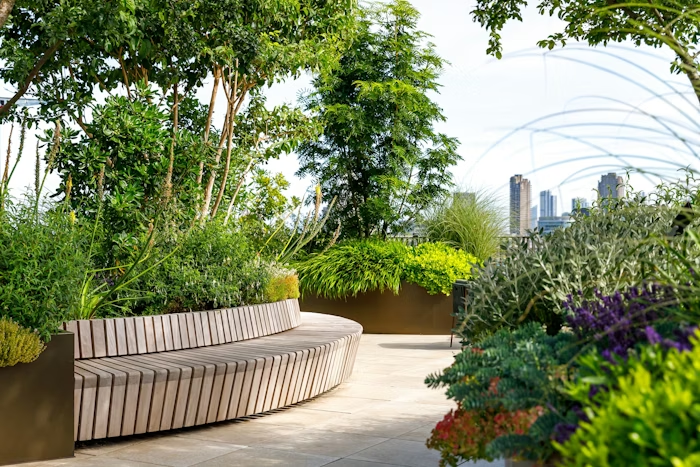
The allure of a rooftop terrace is undeniable. These elevated urban oases offer a breath of fresh air amidst the city's hustle and bustle, creating spaces that are not only inviting but also highly functional. One of the key elements in designing an exceptional rooftop terrace is choosing the right timber. This decision goes beyond mere aesthetics; it's about ensuring durability, weather resistance, and safety compliance in a rooftop environment.
In this comprehensive guide, we will explore the world of timber for roof terraces and conduct a detailed comparison of some of the top timber options available. Whether you're an architect, a contractor, or a homeowner looking to transform your rooftop into a captivating outdoor haven, this article will provide you with the knowledge and insights needed to make an informed decision.
Why Iroko Timber?
Raaft's primary goal is to offer the most enduring and sustainable solution for rooftop terraces. We firmly believe in the wisdom of getting it right from the start, rather than opting for a less expensive material that could ultimately result in higher long-term costs.
Iroko timber offers several advantages, making it the ultimate choice for rooftop terrace benches:
How Most Common Timbers Compare to Iroko
Whether your rooftop terrace is envisioned as a tranquil escape high above the urban jungle or a bustling commercial hub with a view, the right choice of timber is your cornerstone. It's the foundation that ensures your terrace withstands the elements, offers a safe environment, exudes charm, and falls within your budget constraints.
Below, we have highlighted the advantages and disadvantages of the most common types of timber:
Sapele
Advantages: Sapele timber is highly prized for its rich reddish-brown colour, reminiscent of mahogany. It's an excellent choice for fine woodworking and cabinetry due to its elegant appearance. Sapele is also known for its durability, making it a popular choice for exterior applications such as doors and windows.
Disadvantages: One disadvantage of Sapele is its high density, which can make it more challenging to work with hand tools and may require specialized machinery for processing. It also tends to be more expensive than some other hardwoods, which can be a drawback for budget-conscious projects.
European Oak
Advantages: European oak is celebrated for its strength, durability, and timeless beauty. It's a versatile wood, suitable for a wide range of applications, from flooring to furniture. European oak's prominent grain patterns add a touch of natural elegance to any project.
Disadvantages: European oak's prominent grain patterns, while appreciated by many, can be a disadvantage for those seeking a more uniform or subtle appearance in their woodworking. It is also a relatively heavy timber, which may not be suitable for all applications.
English Oak
Advantages: English oak is revered for its cultural significance and stunning appearance. With its straight grain and light brown to mid-brown hue, English oak has been a staple in traditional and historic woodworking. It's a robust and enduring timber choice, perfect for heritage restoration projects.
Disadvantages: English oak, although highly durable, is a slow-growing tree, which means it may be less readily available and more costly compared to other timber options. Additionally, its hardness can make it more difficult to work with hand tools.
Maple
Advantages: Maple timber is celebrated for its pale, creamy colour, and fine, uniform grain. Its versatility makes it a preferred choice for intricate woodwork, including musical instruments, cabinetry, and high-end flooring. Maple's natural resistance to wear and tear adds to its appeal.
Disadvantages: One potential drawback of maple is its susceptibility to staining and discoloration when exposed to moisture. It requires special care and finishes to maintain its pristine appearance, which can be a consideration for some projects.
Teak
Advantages: Teak is renowned for its exceptional resistance to moisture and decay, making it an ideal choice for outdoor furniture and boat construction. Its golden-brown colour and natural oils provide an attractive appearance, and it can withstand harsh weather conditions.
Disadvantages: Teak's many advantages are accompanied by a relatively high price tag. Its cost can make it less accessible for budget-conscious projects. Additionally, teak's natural oils can interfere with adhesion when applying certain finishes, which requires specific surface preparation.
Cedar
Advantages: Cedar timber offers natural resistance to insects and decay, making it a popular choice for outdoor applications like decking and siding. Its pleasant, aromatic scent and beautiful reddish-brown colour are additional advantages that enhance its appeal.
Disadvantages: While cedar's natural resistance to decay is a significant advantage, it is a softer wood, which may lead to dents and scratches more easily than harder hardwoods. It may not be the best choice for high-traffic flooring or heavily used furniture.
Ash
Advantages: Ash timber is valued for its strength, flexibility, and light colour, making it an excellent choice for furniture, sports equipment, and tool handles. Its straight grain pattern adds to its aesthetic appeal.
Disadvantages: Ash's light colour, while attractive to many, may be less suitable for projects where a darker wood tone is desired. Its open grain can also require additional effort to achieve a smooth, finished surface.
Walnut
Advantages: Walnut is celebrated for its dark, rich brown colour and intricate grain patterns, making it a favourite for fine furniture and cabinetry. Its natural elegance and the ease with which it can be polished contribute to its desirability in high-end woodworking projects.
Disadvantages: Walnut's rich, dark colour can be a disadvantage when it comes to hiding scratches and blemishes, which may be more noticeable on this timber. Additionally, its premium price can be a limiting factor for some projects on a tight budget.
Iroko Timber for a Durable Roof Terrace System from RAAFT
We believe Iroko Timber is the ideal choice for your project based on our many years of expertise in roof terrace design. It not only adds astounding durability to your terrace, but it also looks superb and correlates with genuine ecological principles.
Contact us today if you would like more information about our roof terrace solutions. We are always happy to answer your inquiries.
Get in touch with us today!