





Rooftop terraces are increasingly recognised as vital components in urban environments for promoting biodiversity and achieving Biodiversity Net Gain (BNG).
As cities expand, integrating natural habitats into urban areas becomes essential. Rooftop terraces, with their potential to host diverse plant and animal life, provide a unique opportunity to enhance urban biodiversity.
Biodiversity Net Gain is a development approach that leaves biodiversity in a better state than before. Developers must ensure that the biodiversity value of a development site exceeds its pre-development value by at least 10%.
In the UK, this approach is legally mandated for new developments, highlighting the importance of embedding biodiversity into urban planning.
Creating Habitats
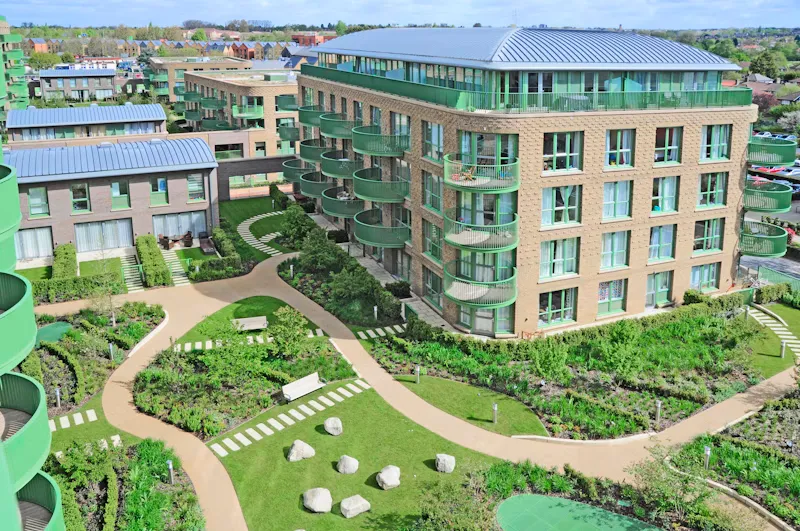
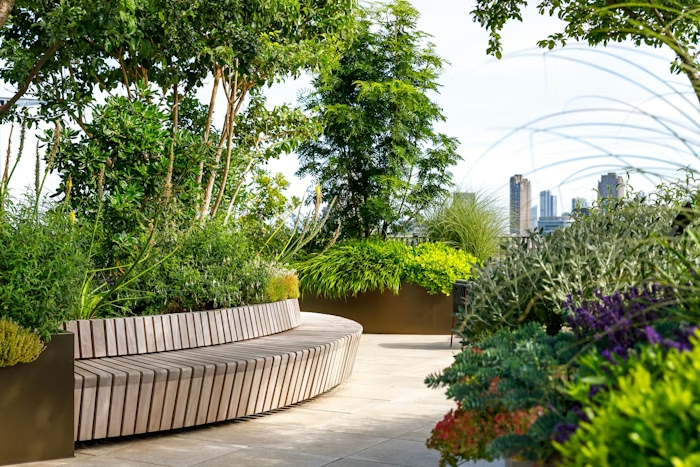
Rooftop terraces can be transformed into biodiverse habitats using green roofs with a variety of plant species. These green roofs mimic natural habitats, providing food and shelter for birds, insects, and other wildlife, increasing urban ecological richness.
Supporting Urban Wildlife
Incorporating native plants, bird boxes, and insect hotels helps rooftop terraces support urban wildlife. These features provide essential resources for pollinators and other species, maintaining ecological balance in cities.
Enhancing Connectivity
Rooftop terraces can act as ecological stepping stones, connecting fragmented habitats across urban landscapes. This connectivity is vital for species movement and genetic diversity in densely built environments.
Environmental Benefits
Economic Benefits
Social Benefits
Rooftop terraces are key to achieving Biodiversity Net Gain by creating habitats, supporting urban wildlife, and improving ecological connectivity.
As cities aim for greater sustainability, integrating rooftop terraces into urban planning is essential for fostering biodiversity and enhancing resilience.
As a leading UK designer and manufacturer of roof terraces, planter systems, decking, and tiles, Raaft® supports every stage of design, specification, and installation. Contact the experts at Raaft® today to discuss your rooftop terrace project.
Get in touch with us today!